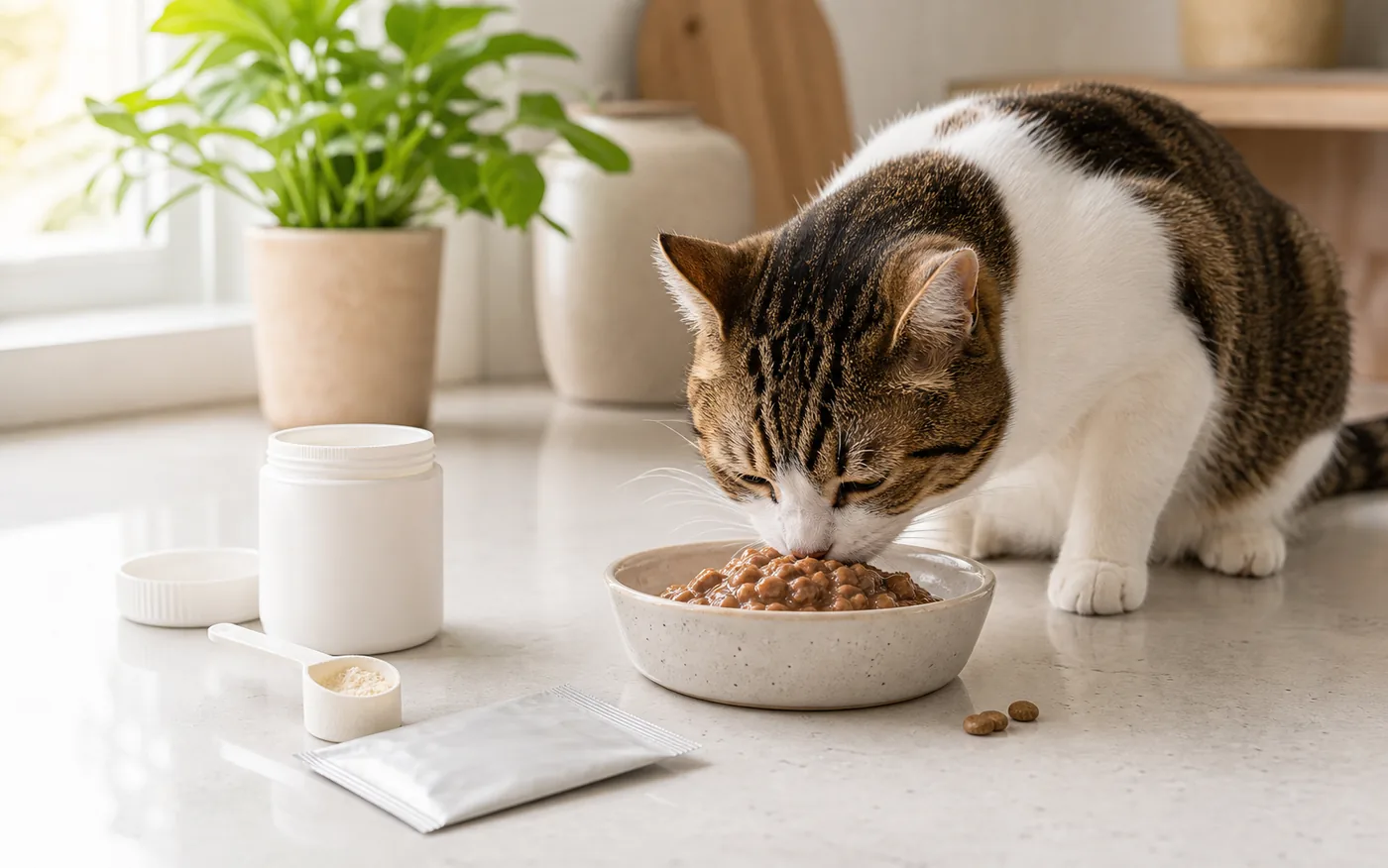
Powder, chew, capsule, or paste
Powders work well with wet food, chews are convenient for treat-motivated cats, and capsules or pastes can be better for specific routines.
Practical cat supply guide
Cat probiotics are support products, not cures. The best page for this topic needs to help buyers compare formats and know when symptoms should go to a vet instead of a shopping cart.

As an Amazon Associate, CatWise Home earns from qualifying purchases.
Use this table as a quick way to compare the shortlist before opening Amazon. Always confirm the current listing details, price, availability, and return terms on the live listing.
| Pick | What to search | Best for | Avoid if | Amazon |
|---|---|---|---|---|
![]() Best powder formatPro Plan Veterinary DietsRead review | Purina Pro Plan FortiFlora Cat Probiotic Supplement | Cats already eating wet food or a topper consistently | Your cat refuses any food with added powder or needs individualized veterinary care. | $30.99In StockCheck on Amazon |
![]() Best prebiotic blendFera PetsRead review | Fera Pets Probiotics for Dogs & Cats | Multi-pet homes or owners who prefer scoop dosing over packets | You need a cat-only single-serve format. | $29.95In StockCheck on Amazon |
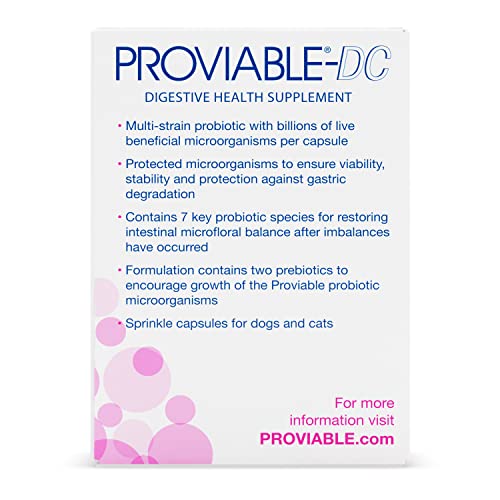
![]() Best synbiotic optionNutramaxRead review | Nutramax Proviable Probiotic Capsules | Owners who want a capsule option and clear daily supplement routine | Your cat will not tolerate capsule powder or has persistent symptoms that need a veterinarian. | $19.97In StockCheck on Amazon |
![]() Best chew formatPet HonestyRead review | Pet Honesty Cat Probiotics Gut + Immune Health Chews | Cats that accept treat-style supplements | Your cat refuses crunchy or creamy treats. | $15.99In StockCheck on Amazon |
![]() Best multi-care packetPro Plan Veterinary DietsRead review | Purina Pro Plan Multi Care Feline Supplement | Owners who like single-serve supplement packets | You want a lower-cost capsule or chew. | $30.99In StockCheck on Amazon |
![]() Best low-cost chewVetriScienceRead review | VetriScience Gut Health Chews for Cats | Budget supplement trials with treat-motivated cats | You need a powder that disappears into wet food. | $10.00In StockCheck on Amazon |
Choose probiotics by format, ingredient transparency, dosing clarity, and palatability. If symptoms persist, include blood, vomiting, lethargy, signs of discomfort, or appetite loss, call a veterinarian.
This page is buying guidance, not veterinary diagnosis. Contact a veterinarian for persistent symptoms, signs of discomfort, appetite loss, vomiting, blood, lethargy, or dehydration.
Powders work well with wet food, chews are convenient for treat-motivated cats, and capsules or pastes can be better for specific routines.
A probiotic can support digestive balance, but it should not be positioned as a treatment for disease or persistent symptoms.
The best supplement is useless if the cat will not eat it. Texture, smell, and dosing routine matter as much as the label.

Best powder format
A widely recognized powder format with single-serve packets, useful for owners who want straightforward mixing into wet food and clear daily dosing.
This pick is worth opening when your priority is cats already eating wet food or a topper consistently. Use the Amazon listing to confirm current listing details, package details, availability, return path, and whether the live product version still matches that use case.


Best prebiotic blend
A scoopable powder with prebiotics, better for owners comparing broader daily gut-support routines rather than single-serve packets.
This pick is worth opening when your priority is multi-pet homes or owners who prefer scoop dosing over packets. Use the Amazon listing to confirm current listing details, package details, availability, return path, and whether the live product version still matches that use case.


Best synbiotic option
A capsule format for owners comparing multi-strain probiotic plus prebiotic options and who are comfortable opening capsules or following label directions.
This pick is worth opening when your priority is owners who want a capsule option and clear daily supplement routine. Use the Amazon listing to confirm current listing details, package details, availability, return path, and whether the live product version still matches that use case.


Best chew format
Chews give readers a non-powder option when mixing supplements into food is the main friction.
This pick is worth opening when your priority is cats that accept treat-style supplements. Use the Amazon listing to confirm current listing details, package details, availability, return path, and whether the live product version still matches that use case.

Best multi-care packet
This gives shoppers a second Purina packet-style option to compare against FortiFlora without copying review claims.
This pick is worth opening when your priority is owners who like single-serve supplement packets. Use the Amazon listing to confirm current listing details, package details, availability, return path, and whether the live product version still matches that use case.

Best low-cost chew
A lower-cost chew option lets readers compare format and budget before choosing a powder or capsule.
This pick is worth opening when your priority is budget supplement trials with treat-motivated cats. Use the Amazon listing to confirm current listing details, package details, availability, return path, and whether the live product version still matches that use case.
As an Amazon Associate, CatWise Home earns from qualifying purchases. Prices and availability are shown only when refreshed from Amazon product APIs recently; always confirm final price on Amazon.
Most shoppers who search for cat probiotics are not casually browsing. They are trying to solve a stressful problem: loose stool, smelly poop, food transitions, antibiotic disruption, a picky cat that rejects supplements, or a household routine that keeps falling apart. That is why a good probiotic guide cannot be a thin list of products. It has to separate what a supplement can reasonably support from what belongs in a veterinary appointment.
For Amazon shoppers, the product page is often crowded with impressive-sounding strain counts, CFU numbers, flavor promises, dog-and-cat labels, packets, scoops, capsules, chews, and phrases that sound medical. The safer way to buy is to start with the cat, then match the format. A powder can be excellent for a cat that already eats wet food. A capsule can be practical for owners who are comfortable opening it and mixing the contents. A broad prebiotic and probiotic blend may fit a daily support routine, while a single-serve packet can be easier when you want consistency and fewer measuring decisions.
This guide is built for that real buying journey. It looks at palatability, dosing, format, ingredient transparency, price per serving, storage, multi-cat use, and the red flags that should stop a purchase. A probiotic may support digestive balance, but it is not a cure, not a diagnosis, and not a substitute for a veterinarian when symptoms are persistent, severe, bloody, or paired with appetite loss, vomiting, dehydration, lethargy, obvious discomfort, or behavior changes.
A supplement that looks perfect on paper can fail at the first meal if the smell, texture, or powder amount changes the food too much. This is especially common with cats that already eat cautiously. Before choosing a product, think about the food routine you can repeat every day: wet food mixing, topper mixing, capsule opening, treat-style delivery, or a tiny amount introduced gradually.
Many shoppers focus only on CFUs or strain count, but the practical questions matter just as much. How many servings are in the container? Is the dose clear for cats? Is it cat-specific or shared with dogs? Does the serving method match your cat's meals? Can you store it easily? A good shortlist should make those questions easy to answer before the Amazon click.
Digestive symptoms can be minor, but they can also signal something that needs veterinary care. A product comparison should never push a cart when the safer next step is a vet. Persistent diarrhea, blood, vomiting, signs of discomfort, dehydration, lethargy, appetite loss, or symptoms in kittens, seniors, or cats with known medical conditions should be treated as a care decision first and a shopping decision second.
Two bottles with similar prices can have very different monthly costs. Packets may feel expensive but remove measuring friction. Scoops can be cost-effective for repeat use, especially in multi-pet homes, but only if the cat accepts the texture and the owner doses consistently. Capsules can be affordable, but they add handling steps. The best value is the product the cat will actually consume correctly.
A wet-food cat, a dry-food-only cat, and a cat using an automatic feeder do not need the same format. Powder often works best when moisture helps it disappear into food. Dry food may require a lickable topper, a tiny wet-food side dish, or a different delivery method. If the routine is unrealistic, the product becomes clutter instead of support.
Affiliate pages should not exaggerate. A trustworthy buying guide uses careful language: digestive support, routine support, palatability, label clarity, and owner fit. It does not promise to cure diarrhea, fix disease, replace veterinary care, or guarantee results. The right expectation protects the cat and creates better conversion because the buyer understands what they are buying.
Use the picks and buying criteria above to move from research to a focused product choice.

Check packet size, powder format, serving style, and whether the daily routine looks realistic before you click through.
These are composite buyer concerns, not invented testimonials. They summarize the objections a careful product page must answer before sending someone to Amazon.
Start with format. If your cat eats wet food reliably, single-serve powder or a small scoop can be the smoothest path. If your cat rejects changes, choose a product that lets you start with a very small amount and build slowly. The recommendation should never be based on the label alone.
That is the right instinct. A good probiotic page should say where a supplement may fit and where it should stop. The safest guidance is to compare products for daily digestive support while clearly sending persistent or severe symptoms to a veterinarian.
Daily use depends on packaging and serving method. Packets reduce measuring decisions. Scoops can be flexible but require consistency. Capsules can be tidy but may be awkward if the cat refuses opened capsule powder. The best product is usually the one that adds the least friction to a routine you already have.
Some formulas are made for both dogs and cats, which can help multi-pet homes. The tradeoff is that cat owners must read directions carefully, confirm cat suitability, and avoid assuming that a dog serving applies to a cat. Convenience is useful only when dosing stays clear.
The best way to reduce waste is to match the product to the meal type, check serving count, and choose a format you can test gently. If a cat is extremely food-sensitive, it can be smarter to prioritize a smaller package or a familiar flavor profile over a huge value container.
That concern should override the sale. If there is blood, repeated vomiting, dehydration, signs of discomfort, lethargy, appetite loss, rapid decline, or symptoms that do not improve, a veterinarian is the right next step. This page can help compare products, but it cannot assess a cat's medical condition.
The easiest path is usually a powder that disappears into a familiar meal without changing texture too aggressively.
Look first at single-serve packets or fine scoopable powders.Introduce gradually if your cat notices small smell or texture changes.Powder on dry kibble can fall to the bottom of the bowl or be ignored.
Use a tiny wet-food side serving, a lickable topper, or a format the cat accepts separately.Do not assume a powder will work if there is no moist food to bind it.The core problem is not the ingredient list; it is acceptance.
Choose the lowest-friction format and start with a small amount in a high-value food.A large container may be poor value if the cat rejects the taste.One cat may need support while another steals the treated food.
Use separate feeding stations or supervised meals before assuming shared bowls will work.Shared dosing can become inaccurate quickly.Food switches, boarding, stress, or medication changes can disrupt normal digestion.
A clear daily probiotic routine may support consistency when your vet says home support is appropriate.If symptoms are severe or persistent, stop treating it as a shopping problem.Small bodies, older cats, and cats with conditions deserve more caution.
Ask a veterinarian which format and product category is appropriate.Do not use a general Amazon recommendation as medical direction.If one use case already sounds like your situation, follow that comparison before reading every product page.

Check serving style, package size, label directions, and whether the product fits a wet-food or scoop-based routine.
The most useful benefits are practical. A cat probiotic should make the owner's routine clearer, make the serving method repeatable, and create realistic confidence about what the product is for. It should not create false certainty or delay care when a cat needs a professional exam.
The best products make it obvious how to serve them, how often to serve them, and how long the container may last. That matters because supplement success is usually about consistency. If the owner has to guess every morning, the routine will break.
A probiotic does not help if it turns a normal meal into a rejected meal. Good buying guidance considers smell, powder volume, capsule handling, and whether the product fits wet food, dry food, toppers, or separate treat routines.
A strong page should make the buyer more informed, not more anxious. The right expectation is that probiotics can support digestive balance for some cats, while symptoms that look serious or persistent need veterinary input.
Comparing by serving count, format, and use case helps shoppers avoid buying the largest tub by default. A smaller, easier product can convert better for a picky cat than a better-priced product that never gets eaten.
The page should help owners recognize when to buy and when to pause. That boundary builds trust, especially in a health-adjacent affiliate category where aggressive claims can damage both users and the site.
This is the straightforward powder-packet choice: best for cat owners who want a recognizable cat probiotic format, minimal measuring, and an easy path into wet food. The buying question is whether your cat accepts powder mixed into meals.
This is the broader daily-support choice: best for shoppers comparing prebiotic plus probiotic routines and owners with more than one pet. The buying question is whether scoop dosing feels practical and whether the shared dog-and-cat positioning still gives you clear cat directions.
This is the capsule-style synbiotic choice: best for owners who like capsule packaging, want a probiotic plus prebiotic option, and are comfortable following label directions closely. The buying question is whether your cat accepts opened capsule contents or the delivery method you choose.
This is the straightforward powder-packet choice: best for cat owners who want a recognizable cat probiotic format, minimal measuring, and an easy path into wet food. The buying question is whether your cat accepts powder mixed into meals.
No product on this page should be treated as a cure. Some probiotics may support digestive balance, but diarrhea that is persistent, severe, bloody, paired with vomiting, or paired with appetite loss, signs of discomfort, dehydration, or lethargy needs veterinary guidance.
Powder is often easier with wet food because it can blend into the meal. Capsules can be cleaner to store and portion, but they add a handling step. The better format is the one your cat will accept consistently and that you can dose correctly.
Not automatically. CFU count is only one data point. Cat suitability, serving clarity, strain information, palatability, storage, expiration, and whether the product fits your routine are also important. A product with impressive numbers can still be a poor fit.
Some products are labeled for both dogs and cats, but you should read cat-specific directions carefully. Do not estimate a cat serving from dog instructions. When the label is unclear, choose a cat-specific option or ask a veterinarian.
Follow the product label and your veterinarian's advice. If the symptom is worsening, persistent, severe, or paired with warning signs, do not keep extending a supplement trial instead of seeking care.
Reviews can reveal patterns around palatability, packaging, and routine friction, but they cannot diagnose your cat. Use review patterns as one input, then verify the label, serving method, ingredient transparency, and veterinary boundaries.
Click through to Amazon to confirm current price, serving count, package size, availability, ingredients, and directions. Prices and availability change, and a probiotic page should not freeze old pricing into the content. The safest buying path is to compare the product here, then verify the live Amazon listing before ordering.
Read the label with your actual cat in mind. Confirm whether the product is for cats, for dogs and cats, or for broader pet use. Check whether the serving directions are clear for your cat's size and routine. If your cat has a known condition, is very young, is elderly, is pregnant, is taking medication, or has ongoing symptoms, ask a veterinarian before making the supplement the plan.
Treat palatability as a real requirement, not a minor detail. If your cat refuses food when anything is added, the first purchase should minimize risk: small format, familiar meal base, gradual introduction, and a backup plan. Buying the strongest-looking product is not useful if it breaks the eating routine.
For most indoor cats, the best first choice is not the most aggressive claim or the biggest container. It is the probiotic format that fits the meal routine, has clear directions, and keeps the owner honest about when a vet should be involved. Use the product shortlist above to compare powder packets, scoopable blends, and capsule options, then verify the live Amazon listing before buying.

The best option is the format your cat will actually take and you can repeat safely.
Many are used as digestive support, but cats with ongoing symptoms or medical conditions should be discussed with a veterinarian.
It varies by product and situation. Follow the label and seek veterinary guidance if symptoms continue.
Powder is often easier to mix into wet food; chews can be easier if your cat accepts them as treats.
The best format is the one the cat will accept consistently. Powders work well with wet food, capsules can be opened when directions allow, and chews work only for cats that reliably eat them.
No probiotic should be treated as a cure. Some may support digestive balance, but persistent, severe, bloody, or recurring diarrhea needs veterinary guidance.
Timing varies by product, cat, and situation. Follow the label and ask a veterinarian if symptoms continue, worsen, or appear with vomiting, lethargy, appetite loss, or dehydration.
Not automatically. CFU count is only one factor. Cat suitability, serving clarity, storage, palatability, and veterinary context matter too.
Only use a product for cats or one clearly labeled for both dogs and cats with cat-specific directions. Do not estimate cat dosing from dog instructions.
Reviews may reveal taste and packaging patterns, but they cannot diagnose your cat. Use them alongside ingredients, directions, format, and veterinary boundaries.
Ask a vet for kittens, seniors, cats with medical conditions, medication use, persistent symptoms, blood, vomiting, lethargy, appetite loss, dehydration, or obvious discomfort.

After the FAQ, use the product cards again with clearer eyes: fit, maintenance, replacement cost, and cat acceptance.


As an Amazon Associate, CatWise Home earns from qualifying purchases. Prices and availability are shown only when refreshed from Amazon product APIs recently; always confirm final price on Amazon.
The next useful page depends on what you still need to verify: product type, maintenance, replacement cost, room fit, or a related cat-home problem.