Diagnose the odor before buying
Ammonia points to urine control, absorbency, litter depth, and cleaning frequency. Feces odor points to scooping and diet. A dusty, perfumed smell may mean the litter itself is the problem.
Practical cat supply guide
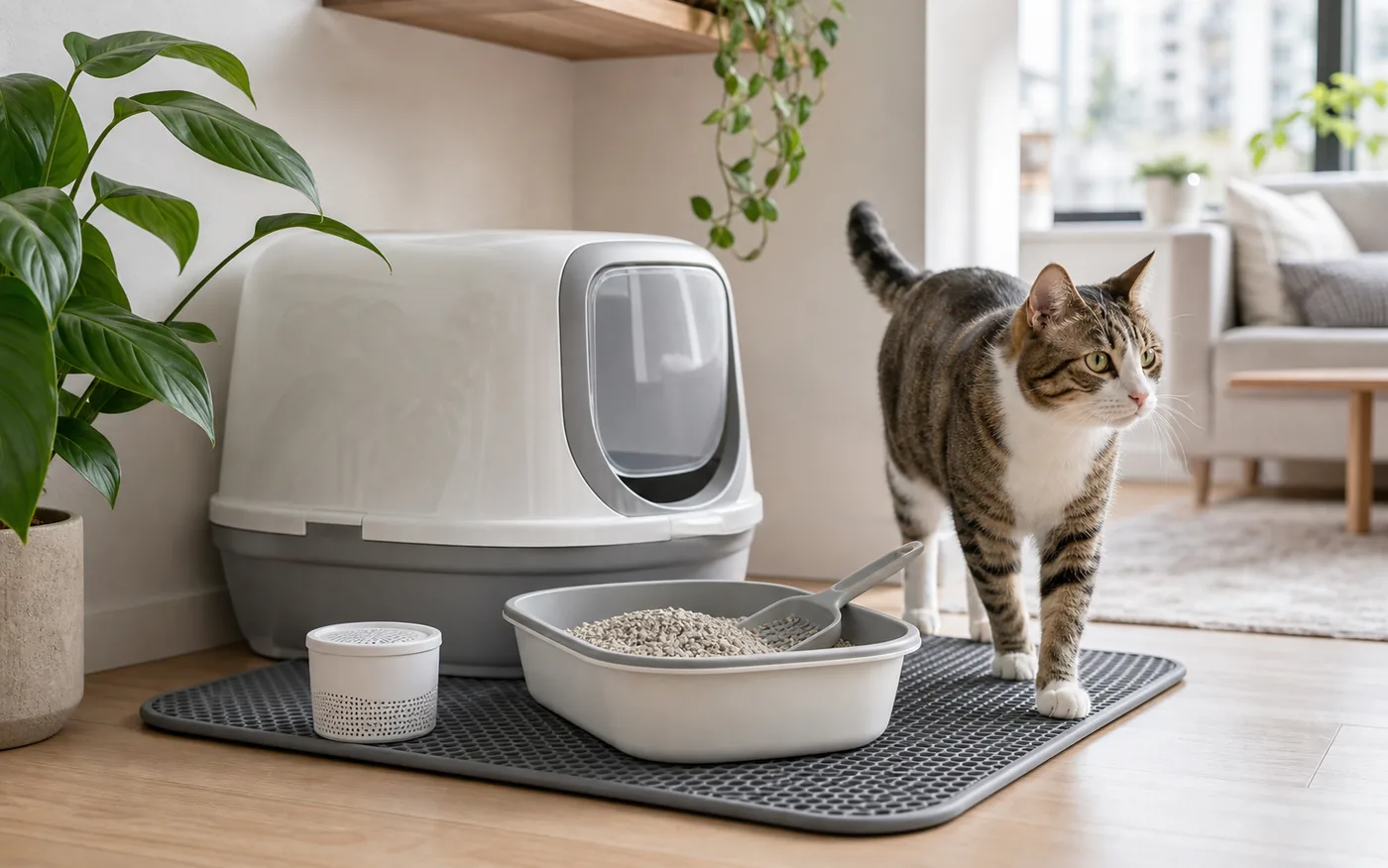
Litter smell is rarely solved by one product. The strongest odor-control setup combines the right litter, consistent scooping, a box setup that fits the home, and the right add-ons only when needed.
As an Amazon Associate, CatWise Home earns from qualifying purchases.
Use this table as a quick way to compare the shortlist before opening Amazon. Always confirm the current listing details, price, availability, and return terms on the live listing.
| Pick | What to search | Best for | Avoid if | Amazon |
|---|---|---|---|---|
 Best unscented odor add-onGrayleafRead review | Grayleaf unscented cat litter deodorizer | Apartments, multi-cat boxes, and owners who want an unscented odor add-on | You need to fix wet litter, infrequent scooping, or a box your cat already avoids. | In StockCheck on Amazon |
 Best deodorizer add-onArm & HammerRead review | Arm & Hammer litter box deodorizer pods | Covered boxes, litter pan areas, and owners testing an inexpensive odor add-on | Your cat dislikes fragrance near the litter box. | In StockCheck on Amazon |
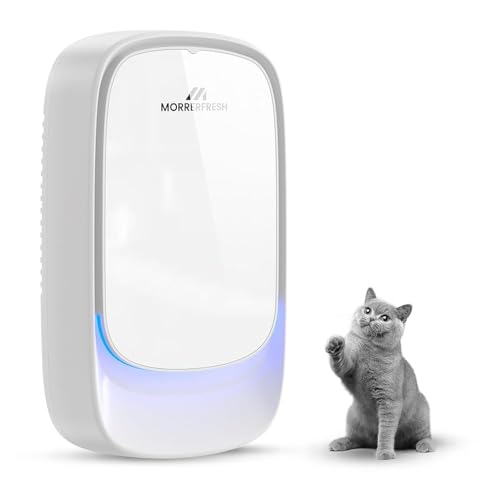 Best air supportMorrerfreshRead review | Morrerfresh plug-in litter box air deodorizer | Small litter rooms, bathrooms, and apartments where box-area air needs extra support | You expect an air device to replace scooping or box washing. | In StockCheck on Amazon |
 Best multi-cat litterFresh StepRead review | Fresh Step Heavy Duty Odor Block Multi-Cat Litter | Multi-cat boxes where urine odor is the main issue | You need fragrance-free litter. | In StockCheck on Amazon |
 Best unscented litterDr. Elsey'sRead review | Dr. Elsey's Ultra Unscented Clumping Cat Litter | Sensitive cats, small apartments, and fragrance-averse homes | You cannot comfortably handle a heavier bag. | In StockCheck on Amazon |
 Best easy-clean litterArm & HammerRead review | Arm & Hammer Clump & Seal Slide Platinum Litter | Owners trying to reduce stuck clumps and cleaning friction | Your cat avoids scented or heavily treated litter. | In StockCheck on Amazon |
Start by diagnosing the smell: ammonia, feces, dusty litter, dirty plastic, or poor airflow. Then buy the product that solves that exact cause.
Ammonia points to urine control, absorbency, litter depth, and cleaning frequency. Feces odor points to scooping and diet. A dusty, perfumed smell may mean the litter itself is the problem.
Activated charcoal, zeolite, and low-fragrance powders can help between cleanings, but they should not cover up a dirty box.
A purifier with meaningful carbon can help a litter room smell better, but it will not fix wet litter, old plastic, or poor scooping routines.
Low-dust litter can make a small apartment feel cleaner, but odor control still depends on clumping strength and urine saturation. Non-clumping litter can work when changed on schedule, but it makes daily odor diagnosis harder.
The strongest setup combines a box size your cat accepts, enough depth, daily scooping, low-fragrance absorption, and airflow. A deodorizer, carbon filter, or air purifier should support that system rather than hide a failing routine.
If odor returns after scooping, the next fix may not be another litter bag. Old plastic boxes, poor ventilation, a missing litter mat, or an automatic box with the wrong litter can all keep the problem alive.
Use stainless steel boxes for old plastic odor, litter mats for tracking, enclosures for visible-room setups, automatic boxes for high-maintenance routines, dust-free litter for air haze, and unscented litter for fragrance clash.
Grayleaf
CatWise editorial review
Best if apartments, multi-cat boxes, and owners who want an unscented odor add-on. Do not make it the default choice if you need to fix wet litter, infrequent scooping, or a box your cat already avoids.
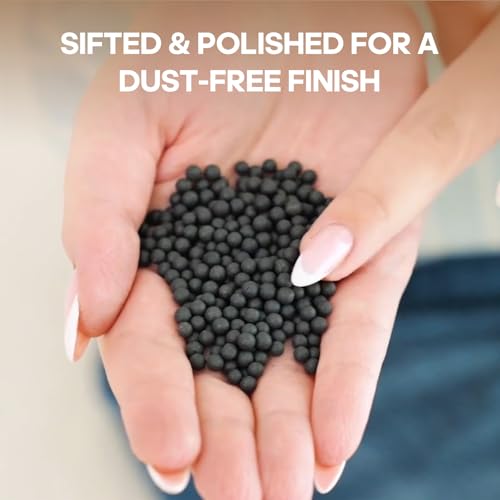
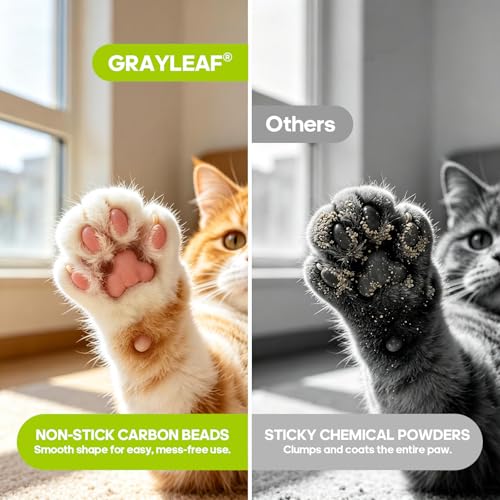
Our take: Grayleaf unscented cat litter deodorizer makes the most sense for apartments, multi-cat boxes, and owners who want an unscented odor add-on. It earns space here for a practical reason: a low-fragrance odor absorber can support daily scooping without turning the box area into a strong perfume zone. That gives the buyer a clear decision point instead of treating every cat product result as interchangeable.
Use this review as the buying filter, then use Amazon as the final live-listing check for size, serving count, seller, returns, current availability, rating/review volume, and exact formula. We do not copy Amazon customer reviews or claim hands-on testing unless that evidence exists. Allowed Amazon-side signals visible here include Brand: Grayleaf and Currently shown in stock.
Matching the product format to a real indoor-cat problem instead of treating the Amazon result as a recommendation by itself.
A low-fragrance odor absorber can support daily scooping without turning the box area into a strong perfume zone.
Apartments, multi-cat boxes, and owners who want an unscented odor add-on
You need to fix wet litter, infrequent scooping, or a box your cat already avoids.


Arm & Hammer
CatWise editorial review
Best if covered boxes, litter pan areas, and owners testing an inexpensive odor add-on. Do not make it the default choice if your cat dislikes fragrance near the litter box.
Our take: Arm & Hammer litter box deodorizer pods makes the most sense for covered boxes, litter pan areas, and owners testing an inexpensive odor add-on. It earns space here for a practical reason: a low-cost stick-on deodorizer is easy to test when the litter routine is already solid but the surrounding box area still needs help. That gives the buyer a clear decision point instead of treating every cat product result as interchangeable.
Use this review as the buying filter, then use Amazon as the final live-listing check for size, serving count, seller, returns, current availability, rating/review volume, and exact formula. We do not copy Amazon customer reviews or claim hands-on testing unless that evidence exists. Allowed Amazon-side signals visible here include Brand: Arm & Hammer and Currently shown in stock.
Matching the product format to a real indoor-cat problem instead of treating the Amazon result as a recommendation by itself.
A low-cost stick-on deodorizer is easy to test when the litter routine is already solid but the surrounding box area still needs help.
Covered boxes, litter pan areas, and owners testing an inexpensive odor add-on
Your cat dislikes fragrance near the litter box.


Morrerfresh
CatWise editorial review
Best if small litter rooms, bathrooms, and apartments where box-area air needs extra support. Do not make it the default choice if you expect an air device to replace scooping or box washing.
Our take: Morrerfresh plug-in litter box air deodorizer makes the most sense for small litter rooms, bathrooms, and apartments where box-area air needs extra support. It earns space here for a practical reason: a plug-in odor device can help the air around the litter zone, but it should sit after litter choice, box cleaning, and ventilation in the decision order. That gives the buyer a clear decision point instead of treating every cat product result as interchangeable.
Use this review as the buying filter, then use Amazon as the final live-listing check for size, serving count, seller, returns, current availability, rating/review volume, and exact formula. We do not copy Amazon customer reviews or claim hands-on testing unless that evidence exists. Allowed Amazon-side signals visible here include Brand: Morrerfresh and Currently shown in stock.
Matching the product format to a real indoor-cat problem instead of treating the Amazon result as a recommendation by itself.
A plug-in odor device can help the air around the litter zone, but it should sit after litter choice, box cleaning, and ventilation in the decision order.
Small litter rooms, bathrooms, and apartments where box-area air needs extra support
You expect an air device to replace scooping or box washing.


Fresh Step
CatWise editorial review
Best if multi-cat boxes where urine odor is the main issue. Do not make it the default choice if you need fragrance-free litter.
Our take: Fresh Step Heavy Duty Odor Block Multi-Cat Litter makes the most sense for multi-cat boxes where urine odor is the main issue. It earns space here for a practical reason: a mainstream odor-control litter gives readers a true litter option, not only a deodorizer add-on. That gives the buyer a clear decision point instead of treating every cat product result as interchangeable.
Use this review as the buying filter, then use Amazon as the final live-listing check for size, serving count, seller, returns, current availability, rating/review volume, and exact formula. We do not copy Amazon customer reviews or claim hands-on testing unless that evidence exists. Allowed Amazon-side signals visible here include Brand: Fresh Step and Currently shown in stock.
Matching the product format to a real indoor-cat problem instead of treating the Amazon result as a recommendation by itself.
A mainstream odor-control litter gives readers a true litter option, not only a deodorizer add-on.
Multi-cat boxes where urine odor is the main issue
You need fragrance-free litter.
Dr. Elsey's
CatWise editorial review
Best if sensitive cats, small apartments, and fragrance-averse homes. Do not make it the default choice if you cannot comfortably handle a heavier bag.
Our take: Dr. Elsey's Ultra Unscented Clumping Cat Litter makes the most sense for sensitive cats, small apartments, and fragrance-averse homes. It earns space here for a practical reason: unscented clumping litter is an important alternative for cats or owners who dislike perfume. That gives the buyer a clear decision point instead of treating every cat product result as interchangeable.
Use this review as the buying filter, then use Amazon as the final live-listing check for size, serving count, seller, returns, current availability, rating/review volume, and exact formula. We do not copy Amazon customer reviews or claim hands-on testing unless that evidence exists. Allowed Amazon-side signals visible here include Brand: Dr. Elsey's and Currently shown in stock.
Matching the product format to a real indoor-cat problem instead of treating the Amazon result as a recommendation by itself.
Unscented clumping litter is an important alternative for cats or owners who dislike perfume.
Sensitive cats, small apartments, and fragrance-averse homes
You cannot comfortably handle a heavier bag.
Arm & Hammer
CatWise editorial review
Best if owners trying to reduce stuck clumps and cleaning friction. Do not make it the default choice if your cat avoids scented or heavily treated litter.
Our take: Arm & Hammer Clump & Seal Slide Platinum Litter makes the most sense for owners trying to reduce stuck clumps and cleaning friction. It earns space here for a practical reason: a slide-style clumping litter fits readers who care as much about box scraping and cleanup as odor control. That gives the buyer a clear decision point instead of treating every cat product result as interchangeable.
Use this review as the buying filter, then use Amazon as the final live-listing check for size, serving count, seller, returns, current availability, rating/review volume, and exact formula. We do not copy Amazon customer reviews or claim hands-on testing unless that evidence exists. Allowed Amazon-side signals visible here include Brand: Arm & Hammer and Currently shown in stock.
Matching the product format to a real indoor-cat problem instead of treating the Amazon result as a recommendation by itself.
A slide-style clumping litter fits readers who care as much about box scraping and cleanup as odor control.
Owners trying to reduce stuck clumps and cleaning friction
Your cat avoids scented or heavily treated litter.
As an Amazon Associate, CatWise Home earns from qualifying purchases. Prices and availability are shown only when refreshed from Amazon product APIs recently; always confirm final price on Amazon.
Start by diagnosing the smell: ammonia, feces, dusty litter, dirty plastic, or poor airflow. Then buy the product that solves that exact cause. The goal is to help you move from a broad search for cat litter odor control to a specific product type that fits the cat, the room, the cleaning routine, and the budget.
The products compared here are starting points, not universal winners. On Amazon, always verify the current listing, package details, availability, return terms, and whether the listing still matches the version you expect to receive.
The most useful shortlist for cat litter odor control compares real ownership: what the cat has to accept, what the owner has to maintain, and what must be reordered over time. Current product examples include Grayleaf unscented cat litter deodorizer, Arm & Hammer litter box deodorizer pods, Morrerfresh plug-in litter box air deodorizer, Fresh Step Heavy Duty Odor Block Multi-Cat Litter, Dr. Elsey's Ultra Unscented Clumping Cat Litter, Arm & Hammer Clump & Seal Slide Platinum Litter.
Litter odor can come from ammonia, feces, dust, old plastic, poor scooping rhythm, or weak airflow. The right product depends on the source, the room size, and how much daily maintenance the owner can keep up.
The safest way to choose cat litter odor control is to start with the routine you need to fix, not the product photo. A quiet bedroom, a small apartment, a multi-cat home, and a sensitive cat all create different buying decisions.
Most cat products fail when daily upkeep is harder than expected. Before buying, check cleaning steps, refill or replacement needs, storage, and whether the product still makes sense after the first week.
Extra features help only when the base product fits the cat and the home. A simpler product can be better than a premium one if it is easier to use, easier to clean, and easier to reorder.
Filters, refills, litter, supplements, trays, batteries, and replacement parts can change the real cost. A good comparison looks beyond today's Amazon price and asks what ownership looks like next month.
Marketing claims should be checked against specs, package size, material, return path, replacement needs, and owner routine. This page is designed to slow down the decision just enough to avoid a bad match.
Cats reject products for ordinary reasons: smell, sound, texture, placement, height, motion, or disruption to a familiar routine. The best pick gives the cat a reasonable path to accept it gradually.
Use the picks and buying criteria above to move from research to a focused product choice.
Cat Litter Odor Control needs to solve the problem without adding noise, clutter, smell, or a cleaning task that dominates a small room.
Prioritize compact design, easy cleaning, low mess, and predictable replacement costs.Avoid products that need too much floor space or create strong scent, sound, or visual clutter.More cats usually means more use, more mess, more competition, and faster wear on supplies.
Choose capacity, durability, washable parts, and a routine that can handle heavier daily use.One shared product may not solve guarding, avoidance, or unequal access.The product can be objectively good and still fail if the cat refuses the format, texture, smell, sound, or placement.
Start with the least disruptive option and introduce it beside an existing routine.Do not remove the old setup too quickly.The best product is the one the owner can keep using correctly after the excitement of buying it is gone.
Look for clear setup, fast cleaning, easy reorder paths, and fewer small parts.Avoid products that require perfect daily attention if your schedule is inconsistent.The cheapest item can become expensive when replacements, short lifespan, or poor fit lead to another purchase.
Compare the first price against recurring cost and likelihood of continued use.A low price is not a bargain if the product creates a new problem.New cat owners often buy too many products before learning the cat's preferences.
Buy the product that solves the clearest current problem, then upgrade once preferences are visible.Avoid buying a complicated system before the cat has settled in.A good litter-area setup balances unscented control, washable surfaces, airflow, box placement, and realistic replacement costs. Strong fragrance alone should not be the strategy.
A good product page should make the final Amazon click more focused. Use these checks to compare the shortlist without getting distracted by the most dramatic listing claim.
Does this cat litter odor control match the cat's current routine, or does it require a behavior change that may not happen?
Can the product be cleaned quickly, and are the parts easy to reach without special tools?
Are refills, filters, accessories, or replacement parts easy to identify and reorder?
Will the product fit the room without creating cord issues, floor mess, scent, noise, or access problems?
Do the current listing details, package contents, return terms, and availability match what the page is recommending?
Will the product still feel worth it after repeated use, cleaning, and replacement purchases?
These checks are written for readers who are still comparing tabs, specs, and product claims. They turn a broad buying guide into a clearer final decision.
The same search can hide several different jobs. Someone looking for cat litter odor control may be trying to reduce mess, make a routine easier, solve a small-space problem, avoid wasted money, or compare a recurring purchase. Before choosing a product, name the job in plain language. If the job is unclear, the comparison becomes too broad and every feature starts to look equally important.
A useful listing should make the ownership details easy to verify: package size, part count, surface texture, shape, access points, controls, refill paths, and whether the item looks easy to clean or store. For cat litter odor control, the buying decision often depends on what the product will be like in a real home, not only on the headline claim.
A useful buying decision looks past day one. Ask what happens during the first month: what must be washed, replaced, refilled, charged, reordered, stored, or watched. Products that look similar at checkout can feel very different after repeated use. The strongest pick is usually the one that keeps solving the problem after the novelty is gone.
Cats do not always accept a new product immediately. A low-regret purchase keeps a fallback available: the old bowl, the old litter routine, the familiar food routine, a second station, or a simpler setup. That makes the transition calmer and prevents the owner from forcing a product just because it was recommended.
Anything that uses filters, refills, litter, supplement servings, trays, batteries, or replacement parts should be compared like a recurring cost. The product price matters, but so does how often the owner has to reorder and whether the right replacement is easy to find. A slightly higher upfront price can be cheaper if it avoids confusing or expensive refills.
The most useful warning signs are practical: hard-to-clean parts, unclear compatibility, strong scents, confusing serving directions, vague material claims, missing dimensions, awkward charging, or replacement parts that are hard to identify. Those signals do not always mean a product is bad, but they tell you what to verify before sending the reader to Amazon.
A low-fragrance odor absorber can support daily scooping without turning the box area into a strong perfume zone.
Best for: Apartments, multi-cat boxes, and owners who want an unscented odor add-on. Avoid if: You need to fix wet litter, infrequent scooping, or a box your cat already avoids.
A low-cost stick-on deodorizer is easy to test when the litter routine is already solid but the surrounding box area still needs help.
Best for: Covered boxes, litter pan areas, and owners testing an inexpensive odor add-on. Avoid if: Your cat dislikes fragrance near the litter box.
A plug-in odor device can help the air around the litter zone, but it should sit after litter choice, box cleaning, and ventilation in the decision order.
Best for: Small litter rooms, bathrooms, and apartments where box-area air needs extra support. Avoid if: You expect an air device to replace scooping or box washing.
A mainstream odor-control litter gives readers a true litter option, not only a deodorizer add-on.
Best for: Multi-cat boxes where urine odor is the main issue. Avoid if: You need fragrance-free litter.
Unscented clumping litter is an important alternative for cats or owners who dislike perfume.
Best for: Sensitive cats, small apartments, and fragrance-averse homes. Avoid if: You cannot comfortably handle a heavier bag.
A slide-style clumping litter fits readers who care as much about box scraping and cleanup as odor control.
Best for: Owners trying to reduce stuck clumps and cleaning friction. Avoid if: Your cat avoids scented or heavily treated litter.
If one use case already sounds like your situation, follow that comparison before reading every product page.
The practical winner for cat litter odor control is the option that a normal owner can keep using correctly. It should make the daily routine easier, not add a fragile setup that works only when everything goes perfectly.
Before trusting any recommendation, ask whether the cat has a realistic path to accept the product. Smell, texture, sound, height, placement, and routine change can matter more than a feature list.
If the product needs refills, filters, servings, bags, trays, or accessories, the reorder path should be obvious. Confusing replacement parts are a warning sign because they create friction after purchase.
Picture the product one month later. If cleaning, storage, charging, scent, noise, or replacement cost already feels annoying, choose the simpler option before clicking through to Amazon.
Imagine where the product will actually live. A good choice should fit the floor, counter, cabinet, feeding station, litter area, or storage spot without making the home harder to use.
If the product needs a new habit, make sure that habit is realistic. The best cat litter odor control should attach to something the owner already does, such as feeding, scooping, refilling, washing, or reordering.
Open two or three realistic options side by side and compare the same details: materials, dimensions, included parts, replacement path, cleaning, return terms, and fit for the cat. This keeps the final choice grounded.
Check the return path before buying. Cat products can fail for fit, acceptance, sound, scent, sizing, or cleaning reasons, even when the listing looks strong.
Know your backup choice. If the first product is unavailable, too expensive, or not a fit, the second-best option should solve the same core problem with fewer compromises.
Make sure the product works for the whole household: people, cats, cleaning schedule, storage space, noise tolerance, and the room where it will actually be used.
No. Higher price can mean better materials or design, but it can also mean features that do not matter for your cat. Fit, maintenance, replacement cost, and acceptance matter more than price alone.
Use ratings as one signal, not the whole decision. Specs, recent availability, return path, replacement needs, and whether the item fits your exact routine are more useful than star rating alone.
Choose around the constraint that actually matters: noise, smell, cleaning, placement, food routine, sensitivity, or recurring cost. A product that solves the real constraint is more valuable than a product with a longer feature list.
Pause if the cat has sudden health symptoms, if the product details are unclear, if replacement parts are hard to find, or if the product requires a routine you know you will not maintain.
Amazon listings can change. Before ordering, confirm the current price, seller, package size, return terms, listing details, availability, and whether the ASIN still matches the product being compared here.
Do not treat an affiliate recommendation as a substitute for veterinary guidance when health signs are involved. For persistent symptoms, blood, vomiting, lethargy, appetite loss, dehydration, or obvious discomfort, contact a veterinarian before shopping.
A cleaner litter setup starts with the source of the smell, the room, and the routine you can keep.
Start with the source. Buy litter first when clumps, dust, or scent are failing; buy a stainless box when old plastic holds odor; buy a mat when tracking spreads mess; consider an enclosure only if airflow and cleaning stay easy.
Yes. An enclosure can hide the box visually while trapping smell if ventilation and cleaning access are weak.
A low-dust clumping litter plus daily scooping is usually the base. Add deodorizers or carbon filtration only after the routine is solid.
Not always. Strong scent can bother cats and may mix with ammonia. Many homes do better with unscented odor-control litter.
It can reduce airborne odor if it has carbon, but it cannot replace cleaning the litter box.
Unscented litter is often better for sensitive cats and small rooms because strong scent can mix with ammonia. Light scent may work for some homes, but the cat's tolerance matters most.
Ammonia smell usually points to urine saturation, weak clumping, infrequent scooping, old plastic, or too little litter depth. Fix the urine-control routine before adding fragrance.
No. A deodorizer is an add-on, not a replacement for scooping or full box cleaning. If waste stays in the box too long, odor-control products will underperform.
They can reduce airborne odor when they include enough activated carbon and are sized for the room. They cannot fix saturated litter, dirty plastic, or poor scooping habits.
A common baseline is one box per cat plus one extra when space allows. More boxes can reduce crowding and saturation, but each box still needs consistent cleaning.
Sudden odor changes, straining, blood, vomiting, lethargy, appetite loss, dehydration, or obvious discomfort should prompt veterinary advice instead of only changing products.
Low-dust litter does not automatically remove odor, but it can make a small apartment feel cleaner and reduce dusty fragrance clouds. For odor, combine low dust with strong clumping and urine control.
Some non-clumping litters absorb moisture well, but they can hide urine saturation if they are not changed on schedule. Clumping litter is often easier for daily odor tracking because waste removal is more visible.
Use enough litter depth, a mat that catches granules, a box size your cat can turn in, and a low-dust litter that still clumps firmly. Tracking control should not come at the cost of cat acceptance.
Litter box odor control is the whole setup: litter type, scoop frequency, box material, airflow, carbon or zeolite add-ons, and the number of boxes. A product works best when it supports that routine instead of masking it.
Not always. Many homes do better with unscented litter alone when clumping and scooping are strong. Add a low-fragrance deodorizer only if the source routine is already working.
After the FAQ, use the product cards again with clearer eyes: fit, maintenance, replacement cost, and cat acceptance.
As an Amazon Associate, CatWise Home earns from qualifying purchases. Prices and availability are shown only when refreshed from Amazon product APIs recently; always confirm final price on Amazon.
The next useful page depends on what you still need to verify: product type, maintenance, replacement cost, room fit, or a related cat-home problem.